
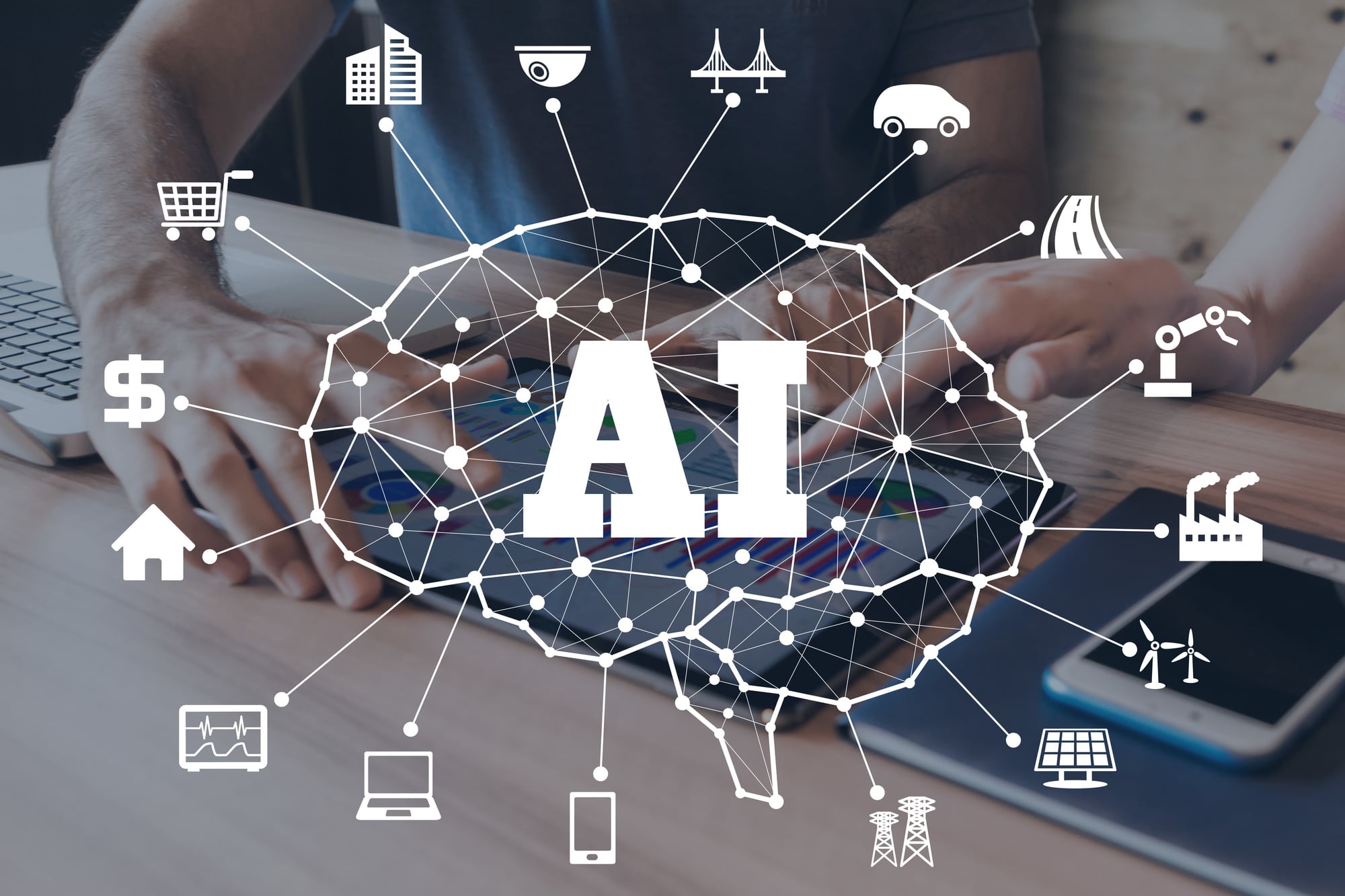
Artificial Intelligence (AI) is rapidly disrupting various industries and changing the way we work, live and communicate. One industry that is especially benefiting from the integration of AI technology is the advertising industry. The advertising industry is constantly evolving and the incorporation of AI technology has led to a new era in advertising where the possibilities are endless.
One of the main advantages of AI in advertising is the ability to analyze vast amounts of data. This includes consumer data, behavior data, and market trends, among others. With the help of AI algorithms, advertisers can easily make sense of this data and use it to create highly targeted and personalized advertising campaigns. The result is higher engagement rates, increased conversions, and higher return on investment (ROI) for advertisers.
In the advertising industry, AI is playing a crucial role in streamlining processes, enhancing performance and maximizing the potential of ad campaigns. ADAS, the Ad Demand and Supply platform, is leveraging AI to make this happen. The AI technology used by ADAS helps automate repetitive tasks, provides insights and optimizes ad campaigns in real-time to deliver maximum results. By using AI, ADAS is able to provide advertisers and publishers with a competitive edge and help them stay ahead of the curve. Whether it’s optimizing bidding strategies, analyzing data, or targeting the right audience, ADAS is using AI to improve the advertising experience for all its clients. With the help of AI, ADAS is disrupting the advertising industry and revolutionizing the way ad campaigns are managed and executed.

Another benefit of AI in advertising is the ability to automate certain processes. For example, programmatic advertising has made it possible for advertisers to automatically buy and place ads in real-time, with the help of AI algorithms. This automation has led to a more efficient and cost-effective advertising process, and has opened up new opportunities for advertisers to reach their target audience.
Moreover, AI technology has revolutionized the way creative content is developed and delivered. With the help of AI, advertisers can now generate dynamic and customized creative content in real-time, based on the needs and preferences of the target audience. This helps to create a more engaging and personalized experience for the consumer, resulting in higher engagement rates and increased conversions.
In conclusion, AI is having a major impact on the advertising industry, and the integration of AI technology into advertising processes has resulted in new opportunities, improved efficiency, and higher ROI for advertisers. As AI technology continues to advance, the possibilities in the advertising industry are endless, and we can expect to see even more exciting developments in the future.


